Taking an award-winning photo helped one Spanish photographer connect with a country rarely seen beyond the stereotypes.
![Fatima al-Qaws hugs her wounded son, Zayed, inside a mosque used as a field hospital by anti-government demonstrators in Sanaa, Yemen, on October 15, 2011. This photo won the World Press Photo award in 2012 [File:Samuel Aranda/The New York Times]](/wp-content/uploads/2021/08/memory.jpg?resize=570%2C380&quality=80)
Taking an award-winning photo helped one Spanish photographer connect with a country rarely seen beyond the stereotypes.
Revisiting five months in a hospital that was at the heart of Syria’s rebellion.
![In a photo from November 29, 2012, night falls on a rebel-controlled area of Aleppo as destroyed buildings, including Dar Al Shifa hospital, are seen on Sa'ar street after airstrikes had targeted it a week before [Narciso Contreras]](/wp-content/uploads/2021/04/CONTRERAS_die_together_01.jpg?resize=570%2C380&quality=80)
A photojournalist who covered Syria’s civil war tells the story of a young rebel fighter he met.
![Ali, a rebel fighter, gestures for victory after firing a shoulder-fired rocket towards a building where Syrian troops loyal to President Bashar al-Assad were hiding as they attempted to gain terrain against the rebels during heavy clashes in the Jedida district of Aleppo, Syria, on November 4, 2012 [Narciso Contreras]](/wp-content/uploads/2021/03/HL_CONTRERAS_war_in_syria-18.jpg?resize=570%2C380&quality=80)
A photojournalist describes capturing some of the most memorable moments of the war in Libya.
![Anti-Gaddafi fighters from Benghazi engage in a firefight with snipers who are loyalists to Colonel Muammar Gaddafi during a street fight in Gaddafi's hometown of Sirte, Libya, on October 19, 2011 [Mauricio Lima]](/wp-content/uploads/2021/03/ML02.jpg?resize=570%2C380&quality=80)
“He carried his son – the same way he had many times before – crossing the hall to the front door, where he crumbled.”
What can we learn from the failures and successes of revolutions in the Arab world over the last 10 years?
Lebanon hosts the largest per capita population of Syrian refugees in the world, providing shelter to 1.7 million.
For three years, Omar Alshogre was imprisoned and tortured, while his father, brothers and cousins were killed.

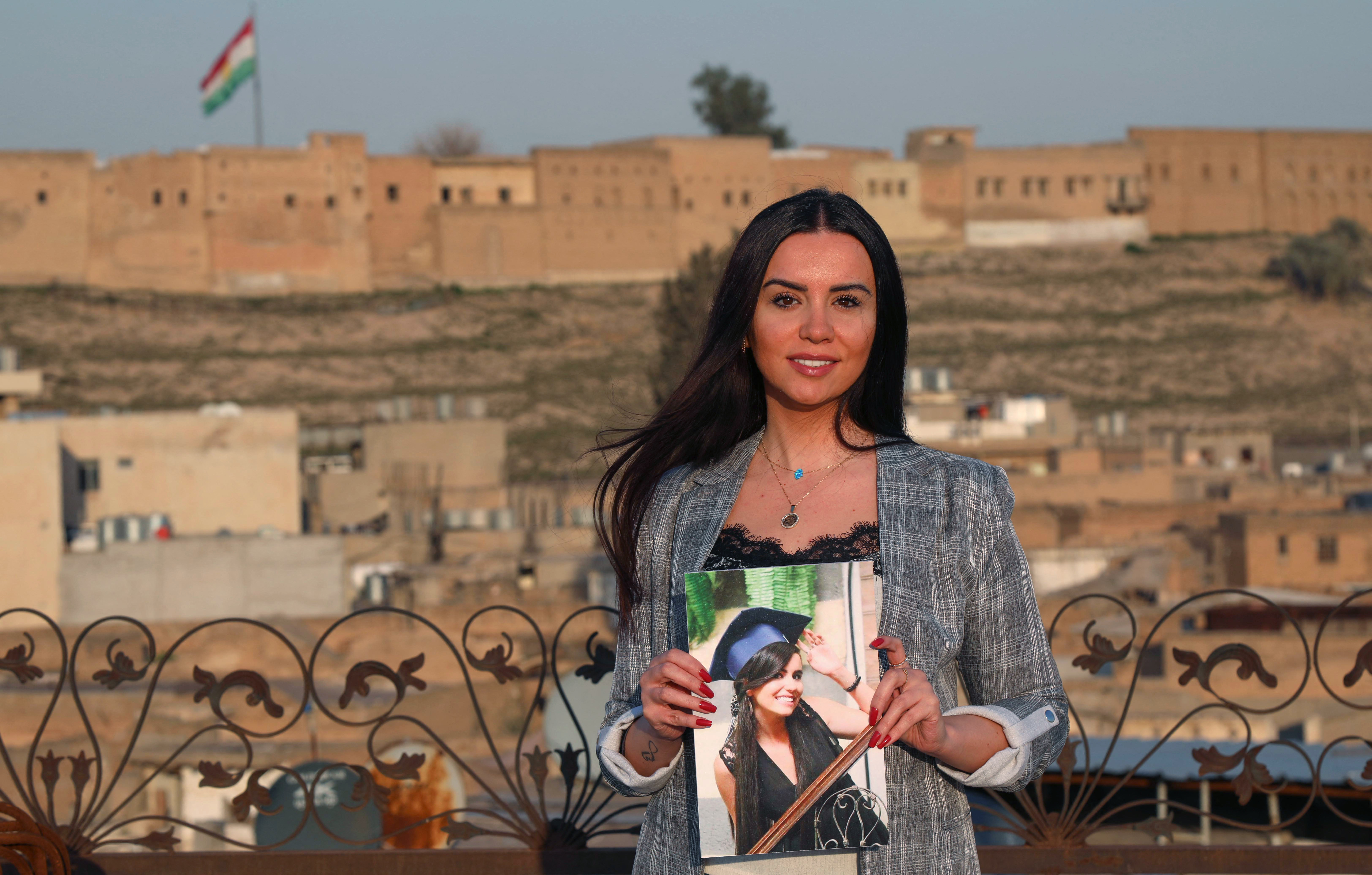
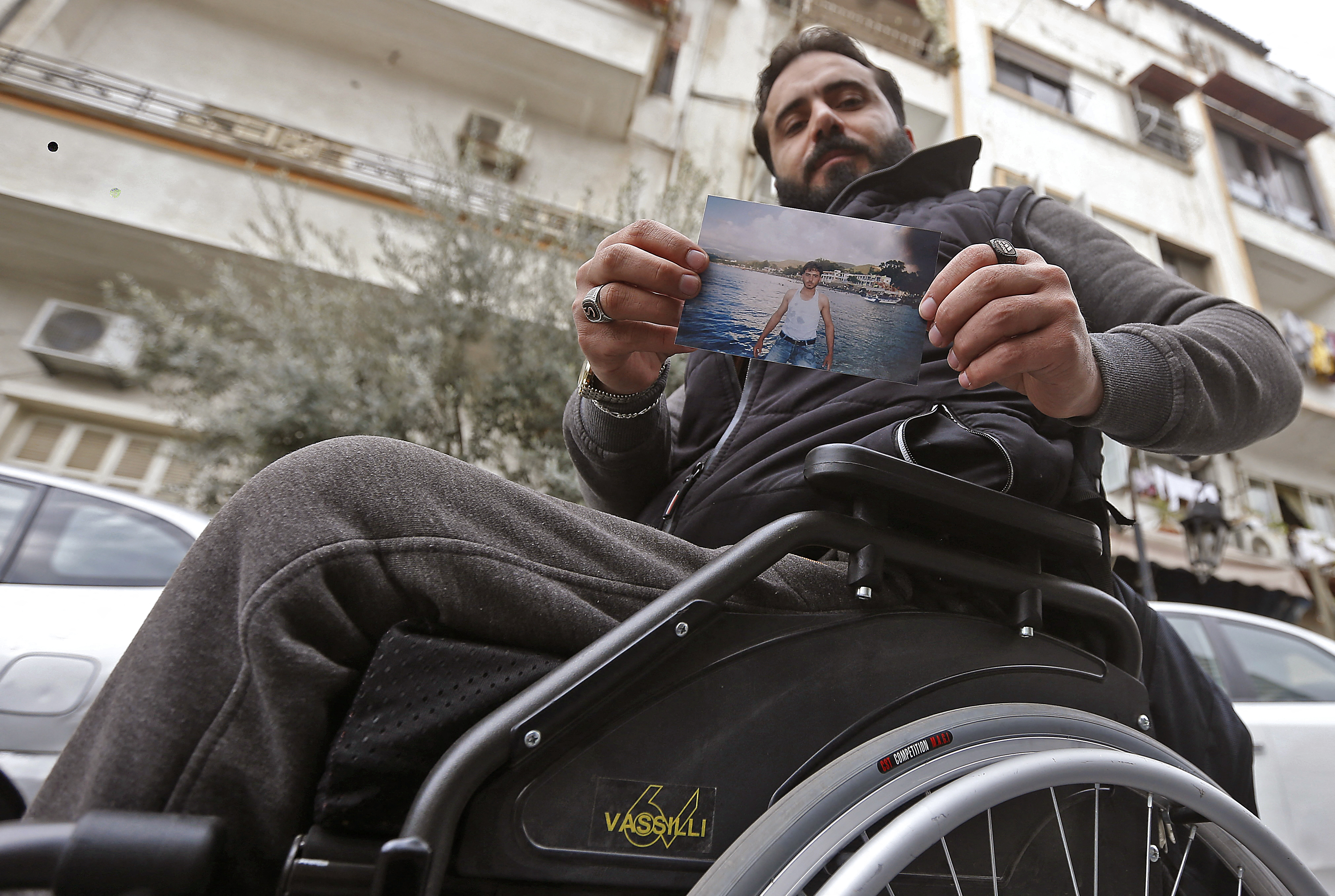

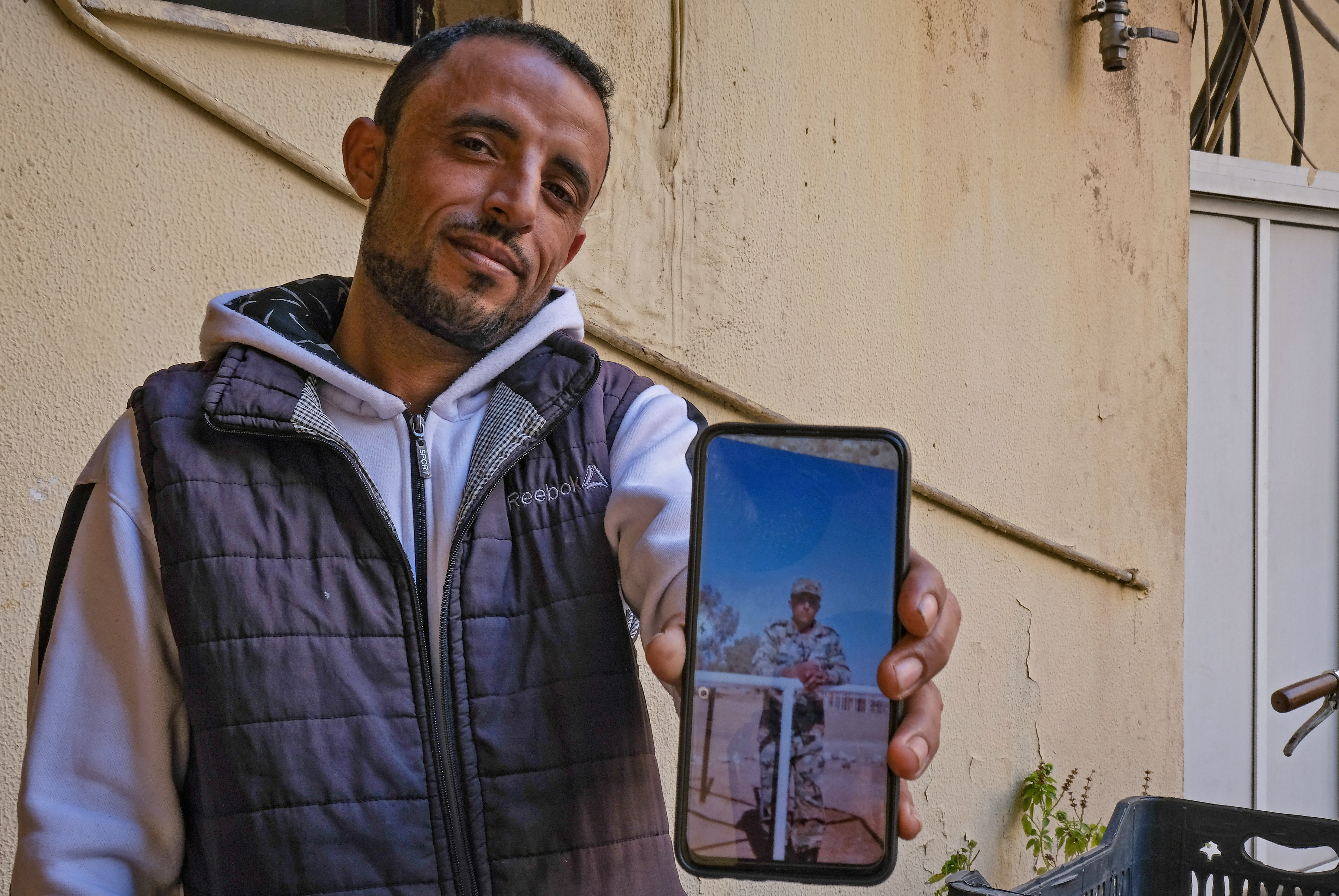

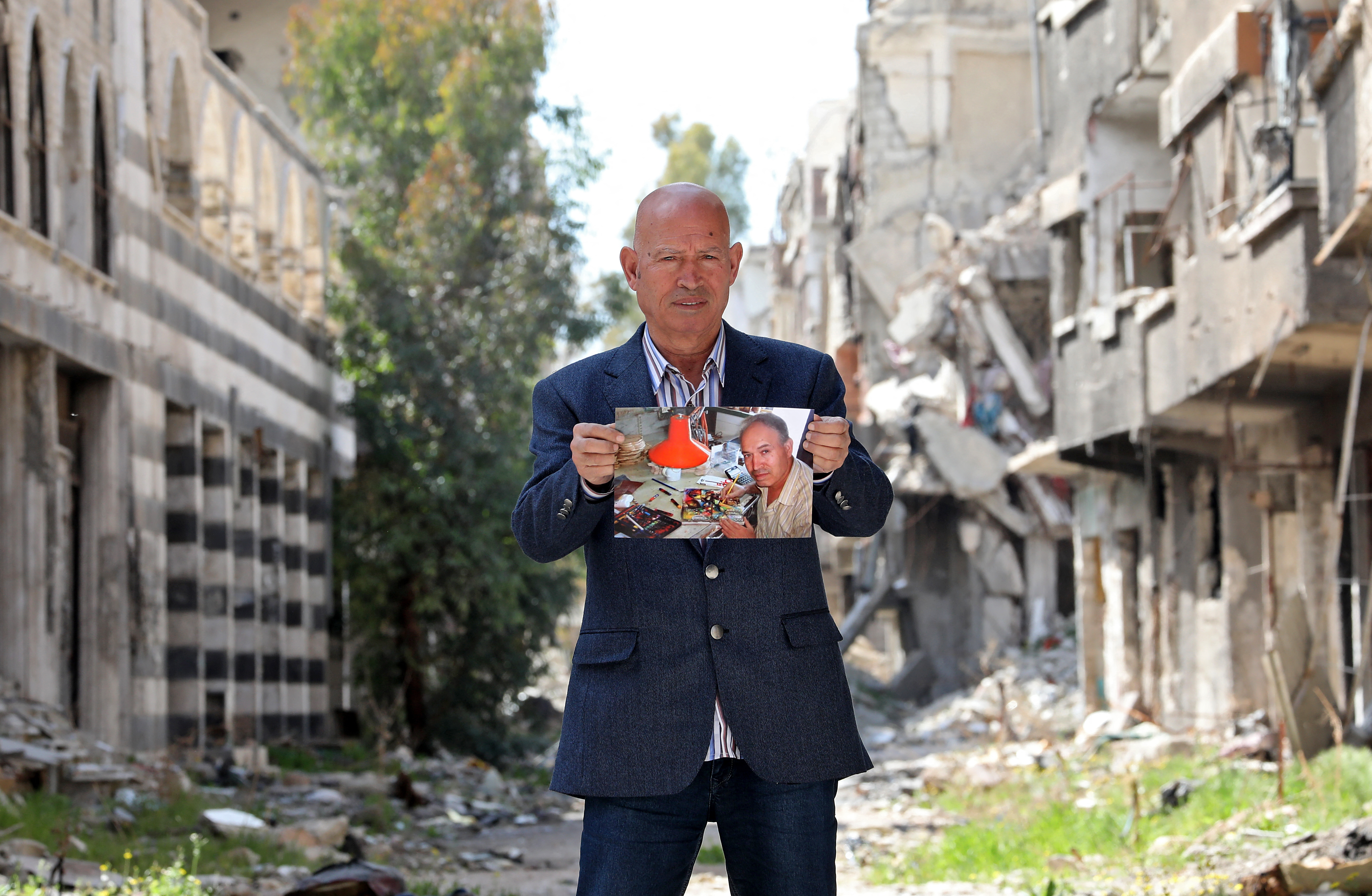
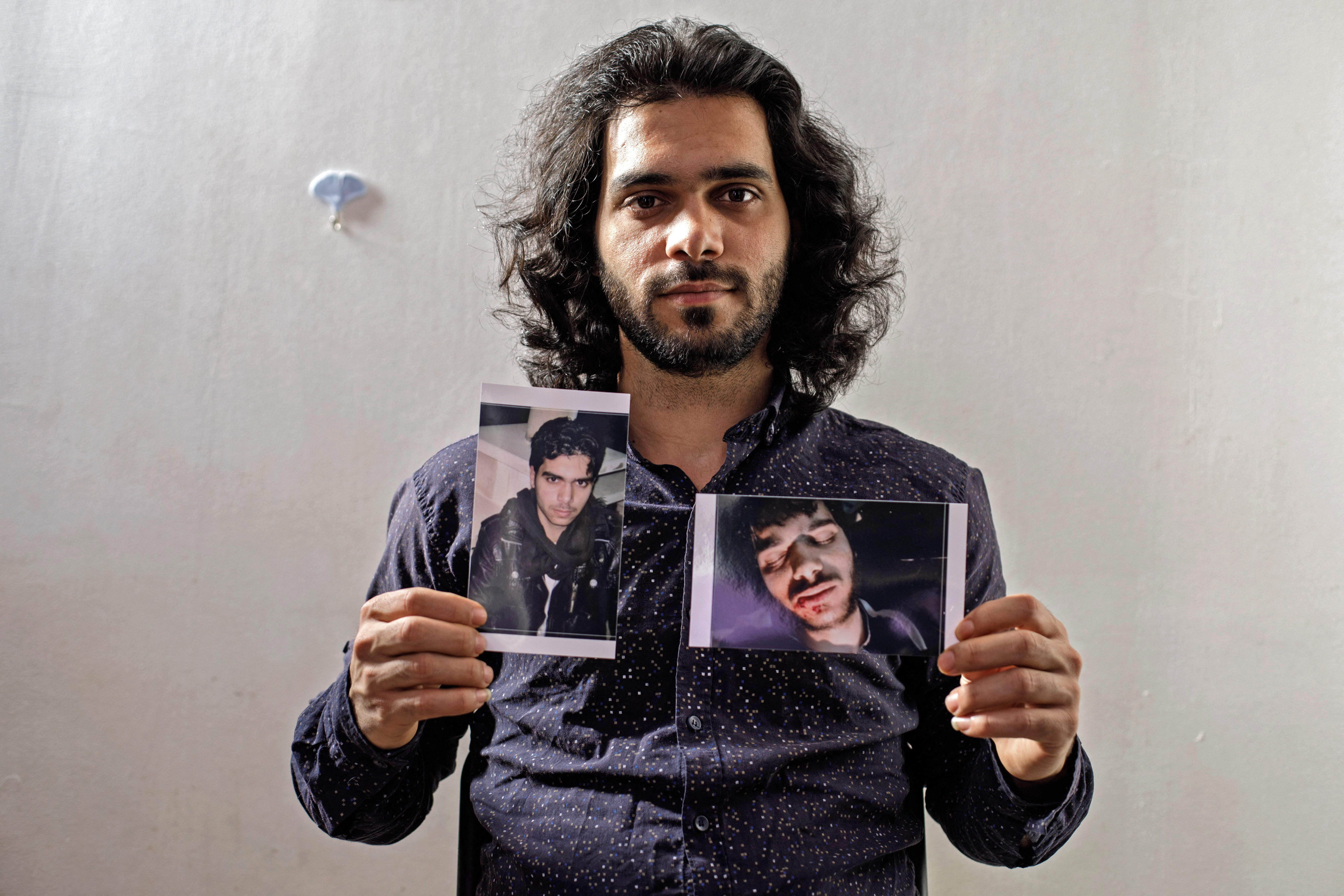
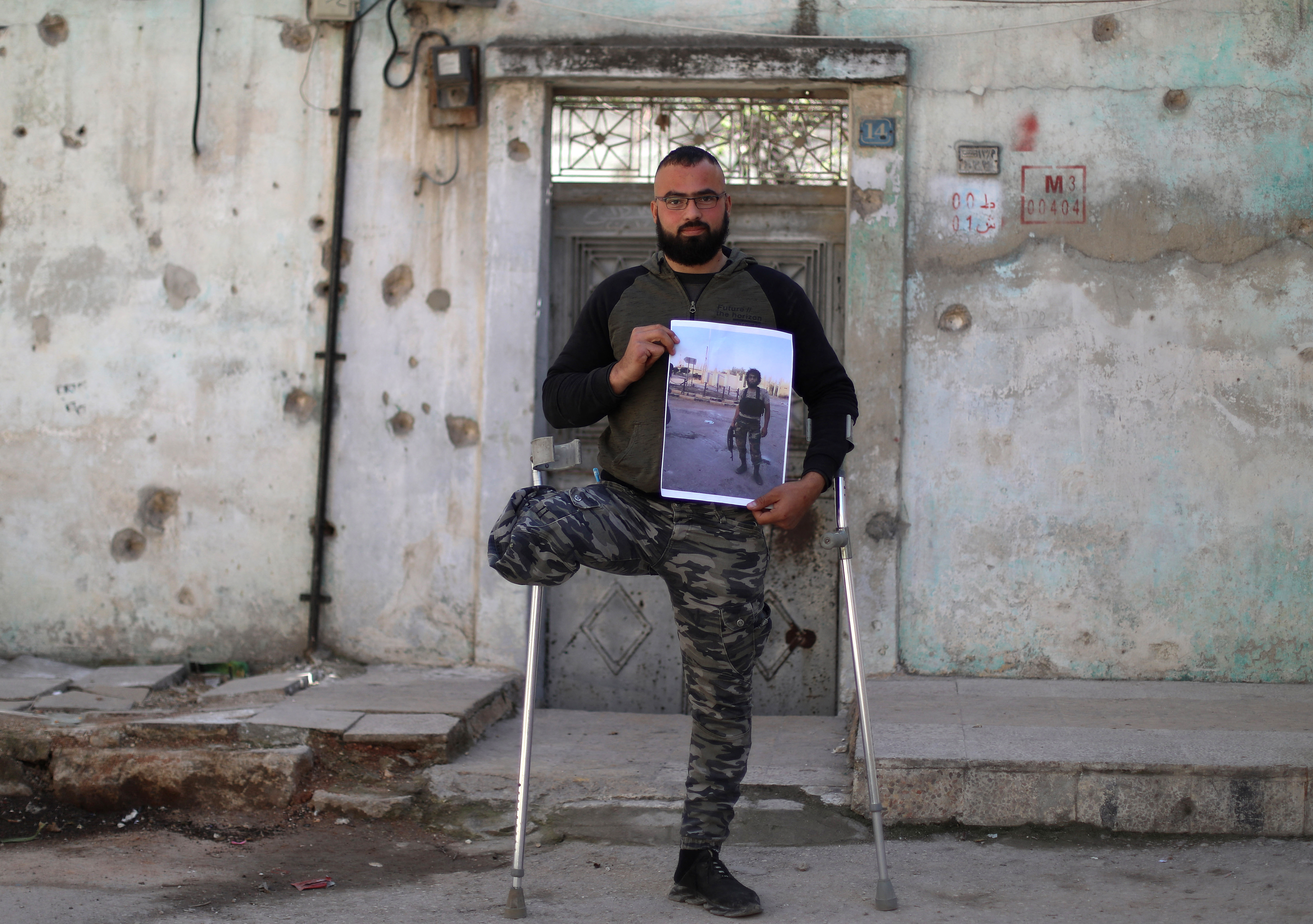

Since the 2011 uprising turned into war, more than half a million people have been killed and millions displaced.
More than 5 million Syrian refugees, 6 million IDPs, with no end to the war in sight, millions are losing hope of going home.
How the Arab revolutions inspired Palestinian mobilisation in Gaza.
Donald Trump’s policies encourage authoritarianism in Manama, rights groups say; want Biden to reset relations.
The MENA region accounts for half of UNICEF’s worldwide humanitarian response appeals, a marked rise since 2011.
![A Syrian man cries while holding the body of his son near Dar Al Shifa Hospital in Aleppo. The boy was killed by the Syrian army [File: Manu Brabo/AP Photo]](/wp-content/uploads/2021/01/Aleppo-Syria-Oct-3-2012.jpg?resize=770%2C513&quality=80)
![[Cartoon by Khalid Albaih]](/wp-content/uploads/2021/03/citizen-journalism-final.jpg?resize=770%2C513&quality=80)
![Syrian refugee Ahmed Staifi stands in front of the house where his wife and two daughters were killed in the massive Beirut explosion [File: Alkis Konstantinidis/Reuters]](/wp-content/uploads/2021/03/syriarefugees.jpg?resize=770%2C513&quality=80)
![Omar as a 15-year-old in 2011 before he was imprisoned, and later, in 2015 immediately after he escaped [Photo courtesy of Omar Alshogre]](/wp-content/uploads/2021/03/Omar-before-detention-1.jpg?resize=770%2C513&quality=80)
![Nearly half a million people have been killed and more than half the pre-war population of 23 million displaced in the war [File: Yasin Akgul/AFP]](/wp-content/uploads/2021/03/000_93E7VW.jpg?resize=770%2C513&quality=80)

![Palestinians wave the Palestinian and Egyptian flags, as they celebrate in Gaza on February 11, 2011 following news that Egyptian President Hosni Mubarak had stepped down [File: AFP/ Mahmud Hams]](/wp-content/uploads/2021/03/000_Nic538816.jpg?resize=770%2C513&quality=80)
![Female riot police officers surround Zaynab, daughter of human rights activist Abdulhadi al-Khawaja, during an anti-government rally demanding his release in Manama, in 2012 [File: Hamad I Mohammed/Reuters]](/wp-content/uploads/2021/03/2021-02-16T133156Z_1503941514_RC2PTL9129E6_RTRMADP_3_BAHRAIN-UPRISING-ANNIVERSARY.jpg?resize=770%2C513&quality=80)
![From war-ravaged Libya to Syria and Yemen, violence has affected many young lives in the region [File: Delil Souleiman/AFP]](/wp-content/uploads/2021/03/000_939468.jpg?resize=770%2C513&quality=80)