Israel’s spy master quit over failures to prevent October 7, but his exit is unlikely to change the course of the war.
![Anti-government protesters demonstrate calling for Israeli Prime Minister, Benjamin Netanyahu's government to resign, for failing to prevent the October 7 attacks by Hamas and bringing Israeli hostages back, in front of the Knesset, the Israeli parliament, in Jerusalem, March 31, 2024 [Ronen Zvulun/Reuters]](/wp-content/uploads/2024/03/2024-03-31T190517Z_199985790_RC26X6AL2FXV_RTRMADP_3_ISRAEL-PALESTINIANS-GOVERNMENT-PROTEST-1711915161.jpg?resize=270%2C180&quality=80)

Israel’s spy master quit over failures to prevent October 7, but his exit is unlikely to change the course of the war.
The group’s objectives in using terrorism are not new, but its capacity for carrying out attacks is.
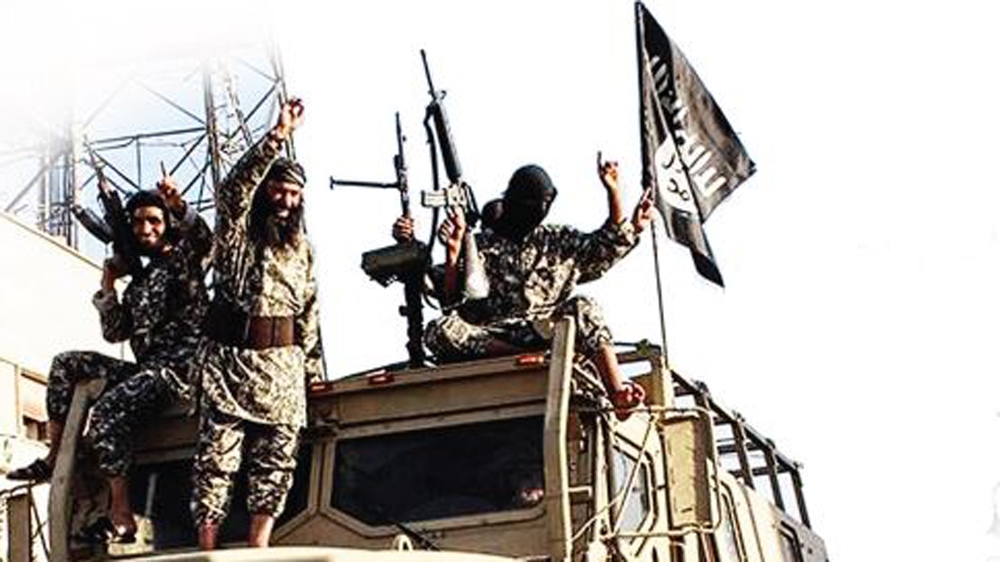
The lessons for Egypt are numerous and they will certainly affect the future of democratisation in that country.

Cairo’s security policies in Sinai remain immoral and ineffective – so far exacerbating the problem.
![A man is seen riding his motorbike through a wall that was destroyed by an attack by the Egyptian Army the day before in a village on the outskirt of a Northern Sinai town [Getty]](/wp-content/uploads/2016/04/127f437ce757471ba095d5c3b45c3799_18.jpeg?resize=270%2C180&quality=80)
How will the conflicting “capitals of hell” impact Egypt’s security and political landscape? Probably not so positively.

For change to happen, the lessons of the past five years should be kept in mind for the future rounds.

The group’s strategy started to change after the Iranian and US air strikes began in 2014.

In Britain, one side perceives the Sisi regime as a capable government but the other is critical of the country.

Egyptian judges act on their own in terms of repressing whomever they perceive as status quo critics.

Two years after the bloody crackdown on the pro-Morsi protesters, Egypt is far from the democratic club.
