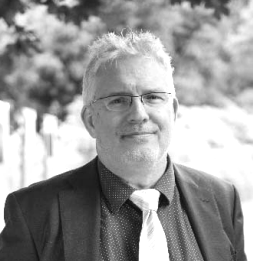
Professor Stephan Lewandowsky, FAcSS, FAPS is a cognitive scientist at the University of Bristol. His research examines people’s memory, decision maki... ng, and knowledge structures, with a particular emphasis on how people update their memories if information they believe turn out to be false. This has led him to examine the persistence of misinformation and spread of “fake news” in society, including conspiracy theories. He is particularly interested in the variables that determine whether or not people accept scientific evidence, for example surrounding vaccinations or climate science.
![Given the obvious risk to public health posed by anti-vaccination movements, what can communicators and politicians do to respond, ask Lewandowsky and Schmid [Illustration by Marcos del Mazo/LightRocket via Getty Images]](/wp-content/uploads/2021/04/GettyImages-1231067259.jpg?resize=270%2C180&quality=80)