Skip linksSkip to Content
Pictures garissa tale 2013111492929272773.html - Latest News & Updates
Live
Navigation menu
  • News
    • Africa
    • Asia
    • US & Canada
    • Latin America
    • Europe
    • Asia Pacific
  • Middle East
  • Explained
  • Opinion
  • Sport
  • Video
    • Features
    • Economy
    • Human Rights
    • Climate Crisis
    • Investigations
    • Interactives
    • In Pictures
    • Science & Technology
    • Podcasts
    • Travel
play
Live

In Pictures

Gallery

In Pictures: A Garissa tale

Kenyan-Somalis offer an insight into the daily challenges they encounter.

North Eastern Kenya on the Kenyan Somali border is home to over two million people, many of whom are ethnic Somalis. The majority of Kenyan Somalis in this semi arid region are nomadic pastoralists. Bordering Somalia, the region is also home to upwards of 500,000 refugees, which has brought both positive development and infrastructure, and adverse pressures such as insecurity and environmental degradation to the region

By Will Swanson

Published On 15 Nov 201315 Nov 2013

Share

facebooktwitterwhatsappcopylink

Save

Kenya is home to 42 tribes. One of those is Somali. Kenyan-Somalis make up around five percent of the population – making them the sixth-largest tribe in the country.

Distinct from them, however, are non-Kenyan Somalis who have fled the civil war in Somalia. The Dadaab refugee camp on the border of the two countries holds most of them but there are many in the Kenyan capital, Nairobi, and its North Eastern Province, whom the government periodically rounds up.

In the North Eastern Province’s Garissa county, Kenyan-Somalis offer an insight into their lives and the challenges they encounter, from border security to drought.

Porous and poorly patrolled borders with Somalia have meant that Garissa county has witnessed a number of serious security incidents in the last few years. More recently, the security situation has been improving in Garissa, and Abdullahi Issack, local assistant chief of Waarebi district, hopes investment and business will return to his area. "People should know that it is safe here, we(***)re open for business," he said
Advertisement
Internally displaced from the Kenya Somali border, Zeinab Sheik Hussein and her family were nomadic pastoralists until a severe drought in 2011 that affected some 9.5 million people across East Africa and resulted in up to 250,000 deaths. Losing their entire herd to the drought, her family moved to Garissa town to receive assistance and now live in a makeshift dwelling on the outskirts of the settlement
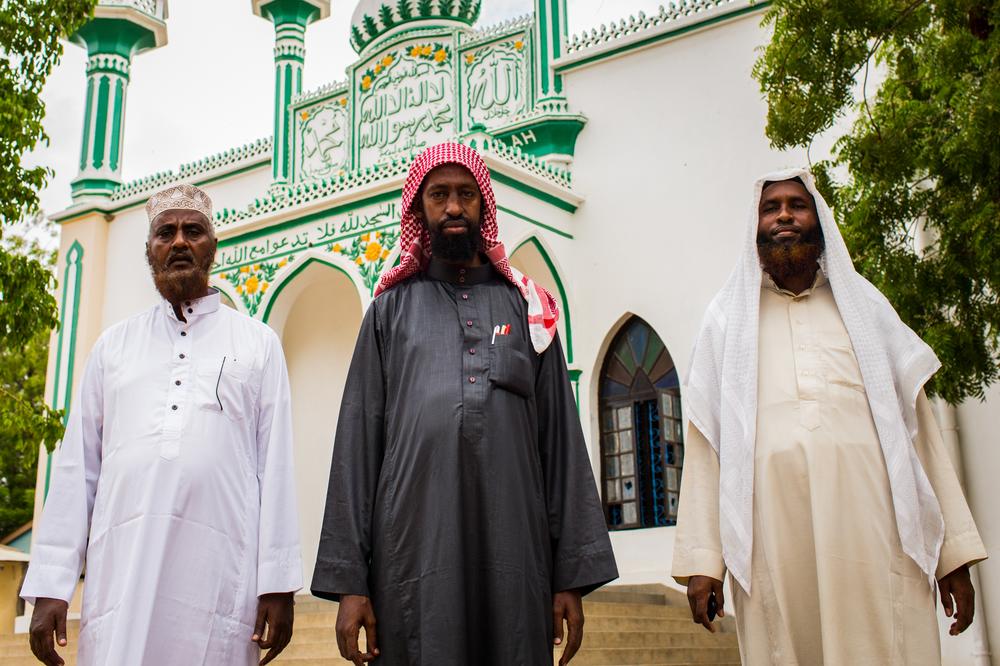
Sheik Hussein Mahad Noor, Sheik Hassan Abdi Abdullahi and Sheik Abdikadir Jailam, stand outside the Jamia Mosque in Garissa - a regional hub and important centre for the Kenyan Somali community. Garissa town is a centre of culture and religion for the Kenyan Somali people in Kenya
Workers use a tractor to transport sweet melons and other produce from their farm next to the Tana river into Garissa and for sale in Nairobi and Mombasa, and also for export to other countries. The Tana river that flows 1000km across Kenya to the Indian Ocean is an important resource for the many farms and large-scale agricultural projects situated along its banks. The river is an important source of income and employment in the region
In Garissa county, less than 20 percent of residents have attended any form of schooling compared with the national average of 51 percent. Gender-based exclusion, cultural norms and the traditional nomadic lifestyle of Kenyan Somalis have played a role in poor literacy levels throughout the region
North Eastern Kenya - Garissa, Mandera and Wajir counties - is still significantly underserviced in healthcare. Only one percent of Kenya(***)s health facilities are in these areas, serving a population of over 2.3 million people. In Garissa County, many Kenyan Somalis who live in nomadic family groups or isolated settlements must cover long distances to get help
Advertisement
An arid environment, Garissa County struggles to support a large population and the influx of refugees to the region has brought negative environmental consequences. Garissa County Commissioner Harun Rashid Khator is concerned about the environmental impacts of the refugee camps on the host community. "They (the refugees) use firewood for cooking, for everything. So in the end that has devastated what little forest that we have." He also said the water table in certain areas has dropped signficantly due to high demand
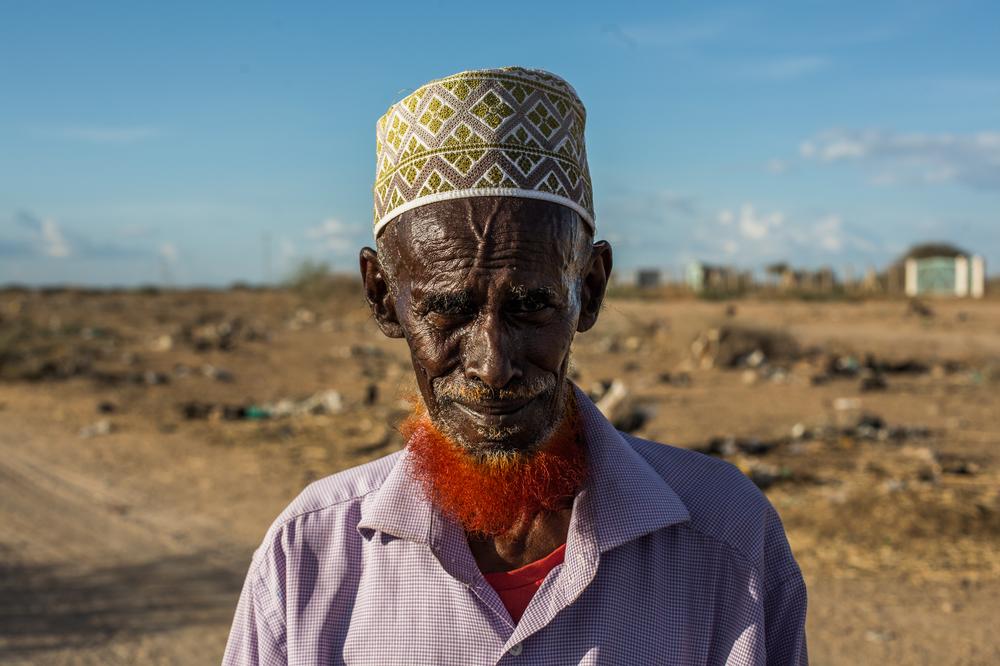
An elderly Kenyan Somali man in traditional dress in Garissa county. One of 42 tribes in Kenya, many ethnic Kenyan Somalis feel marginalised by other Kenyans who may falsely believe they come from neighbouring Somalia
A farmer returns with his goats from drinking at the Tana river in the late afternoon sun. Many Kenyan Somalis in Garissa county are nomadic pastoralists, which makes them vulnerable to poor weather and drought. Government ministries and NGOs are working to bring agriculture and other incomes to local communities so that they may be more resilient to disasters such as droughts and famines
As infrastructure improves in towns and settlements of North East Kenya, many nomadic Kenyan Somalis are settling down around areas that have access to healthcare, job opportunities and education. Soon, nomadic pastoralism may be gone from the region as they turn to agriculture and other enteprises to make a living

More from Gallery

  • Survivors recall terror of landslides from North Sumatra cyclone

    Many survivors are looking for their missing loved ones. Some were carried away by floodwaters, others buried under the mud.
    This gallery article has 14 imagescamera14
  • Photos: Gaza university resumes in-person classes

    Gaza University
    This gallery article has 7 imagescamera7
  • Photos: Pope prays at site of 2020 Beirut port explosion

    Pope Leo XIV visit to Lebanon
    This gallery article has 7 imagescamera7
  • Photos: Recovery under way after floods in Indonesia, Sri Lanka, Thailand

    Rescuers move people to safety on a small boat in a flooded area.
    This gallery article has 8 imagescamera8

Most popular

  • Infantino’s ‘Peace Prize’ to Trump raises questions about FIFA’s neutrality

    Trump and Infantino
  • ‘Uninterrupted oil shipments’: Key takeaways from Putin-Modi talks in Delhi

    Russia's President Vladimir Putin and India's Prime Minister Narendra Modi are seen after their talks at Hyderabad House in New Delhi on December 5, 2025 [Alexander Kazakov/Sputnik/Pool via AFP]
  • Arab, Muslim nations reject Israel exit-only plan for Gaza’s Rafah crossing

    Rafah crossing, Gaza
  • FIFA World Cup 2026 draw – updates

    A picture shows groups A, B, C, D, E, F, G, H, I, J, K and L during the draw for the 2026 FIFA Football World Cup taking place in the US, Canada and Mexico, at the Kennedy Center, in Washington, DC, on December 5, 2025. (Photo by Mandel NGAN / POOL / AFP)

  • About

    • About Us
    • Code of Ethics
    • Terms and Conditions
    • EU/EEA Regulatory Notice
    • Privacy Policy
    • Cookie Policy
    • Cookie Preferences
    • Accessibility Statement
    • Sitemap
    • Work for us
  • Connect

    • Contact Us
    • User Accounts Help
    • Advertise with us
    • Stay Connected
    • Newsletters
    • Channel Finder
    • TV Schedule
    • Podcasts
    • Submit a Tip
    • Paid Partner Content
  • Our Channels

    • Al Jazeera Arabic
    • Al Jazeera English
    • Al Jazeera Investigative Unit
    • Al Jazeera Mubasher
    • Al Jazeera Documentary
    • Al Jazeera Balkans
    • AJ+
  • Our Network

    • Al Jazeera Centre for Studies
    • Al Jazeera Media Institute
    • Learn Arabic
    • Al Jazeera Centre for Public Liberties & Human Rights
    • Al Jazeera Forum
    • Al Jazeera Hotel Partners

Follow Al Jazeera English:

  • facebook
  • twitter
  • youtube
  • instagram-colored-outline
  • rss
Al Jazeera Media Network logo
© 2025 Al Jazeera Media Network