Wyoming's mining advocates see profit and peril under Trump
Donald Trump has championed the mining industry. But workers worry fewer regulations could endanger their safety.
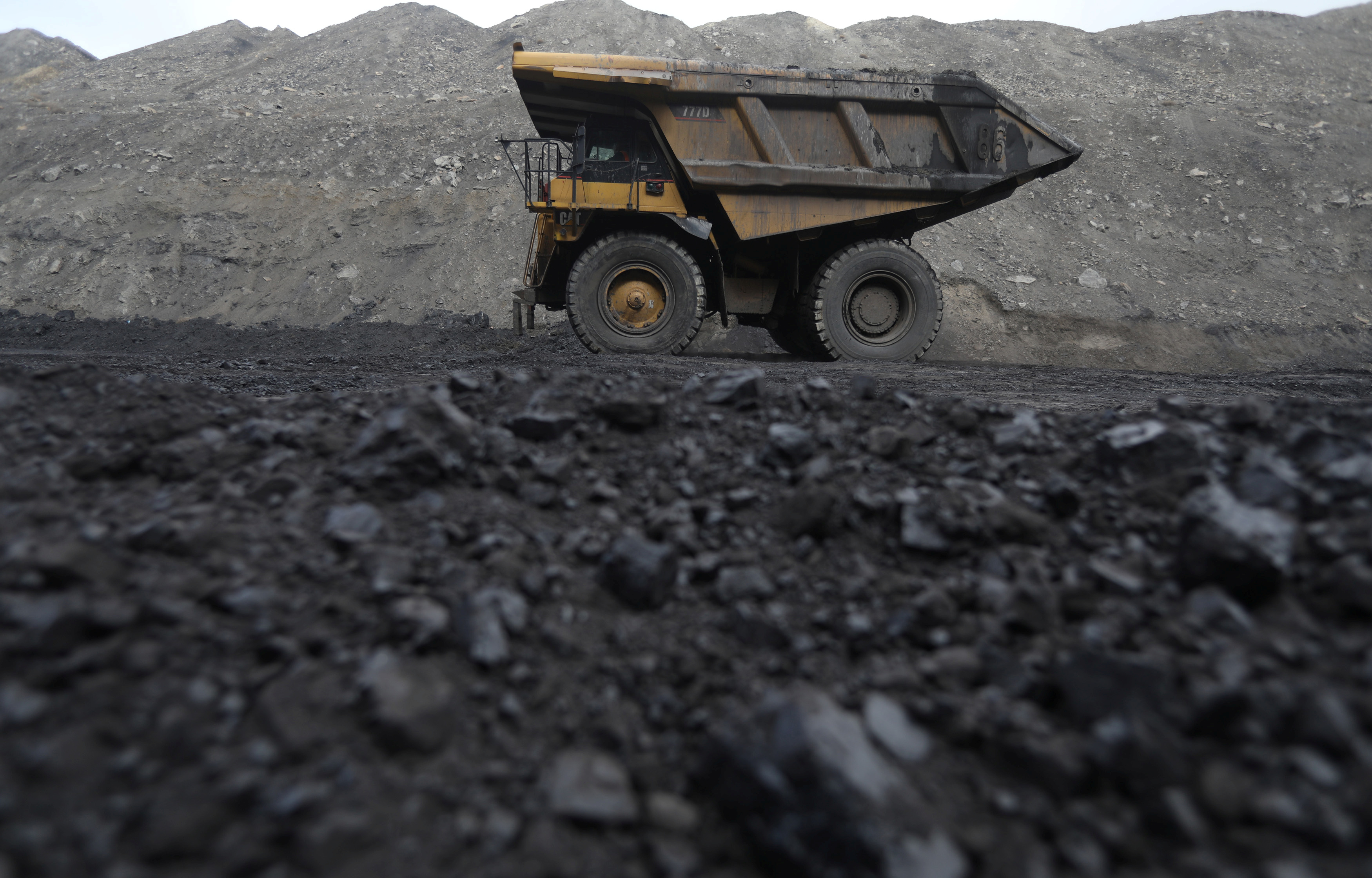


Wyoming’s population makes up just 0.17 percent of the United States population. But when it comes to mining resources, the Cowboy State punches well above its weight.
Nearly 40 percent of US coal production comes from the vast northern state. And the world's largest reserve of trona — a salt crystal used in everything from glass to plastic to paper manufacturing — is situated in the state's southwest corner.
So, when US President Donald Trump emerged triumphant in the 2024 presidential election, mining industry leaders welcomed his return to the White House.
Trump had campaigned for a second term on the promise that he would lift cumbersome regulations on mining and energy exploration. And Wyoming responded by voting for him by the widest margin of any state for the third election in a row.
But while industry advocates have expressed excitement about the first months of Trump's second term, some fear his campaign of regulation-slashing might come at the expense of mine workers themselves.
Fears of safety rollbacks

Already, miners have successfully protested a proposal by the Trump administration to close more than 30 field offices run by the Mining Safety and Health Administration, a branch of the Labor Department that enforces safety standards.
Another government bureau, the National Institute for Occupational Safety and Health (NIOSH), faced staffing cuts of nearly 90 percent under Trump. Miners pushed back, arguing that NIOSH's research is necessary for their protection.
"For generations, the United Mine Workers of America has fought to protect the health and safety of coal miners and all working people," union president Cecil Roberts said in a statement announcing a lawsuit against the cuts in May.
"The dismantling of NIOSH and the elimination of its critical programs — like black lung screenings — puts miners’ lives at risk and turns back decades of progress."
Some of NIOSH's workers were reinstated. Others were not. The upheaval left some investigations in states like Wyoming in limbo.
Marshal Cummings, a United Steelworkers union representative in southwest Wyoming, was among those seeking NIOSH's help. He had grown concerned about the potential for trona miners like himself to be exposed to high levels of silica dust, a known carcinogen.
“We know what silica does to people," Cummings told Al Jazeera. "We know that it causes people to get their lungs cut up by jagged edges of a silica particle, and then they slowly die. They lose that same quality of life that people who work on the surface have."
Cummings believes there is too little research to fully understand the toll silica exposure is taking on trona miners.
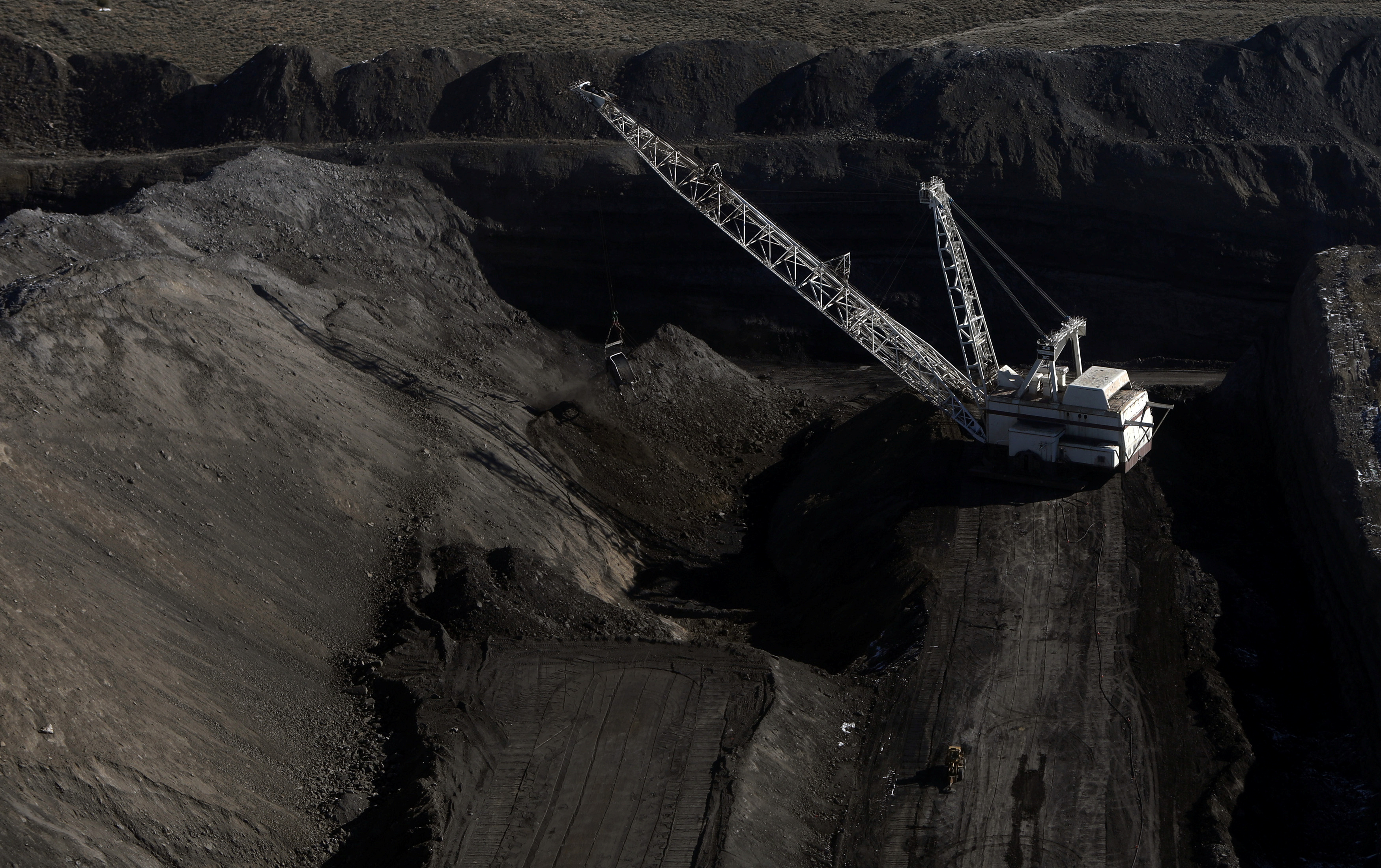
Already, trona miners work in extreme conditions. Their mines cut deep into the earth. One of Wyoming's biggest trona pits plunges to a depth of 1,600 feet or 488 metres: deep enough to swallow three full-sized copies of the Great Pyramid of Giza, stacked on top of each other.
Cummings was also dismayed to learn that a new rule slated to take effect in April had been pushed back until at least mid-August.
The rule would have lowered the acceptable levels of silica dust in mines. Heavy exposure has been tied to respiratory diseases. Black lung — a potentially fatal condition caused by dust scarring the lungs — has been on the rise in Wyoming, as it is throughout the US.
To Cummings, blame rests squarely on the shoulders of mining executives whom he sees as more interested in their wallets than their employees’ health. He believes the silica rule's delay is part of their political manoeuvring.
“The pause is not just the pause," Cummings said. "It’s giving people who care more about a favourable quarterly report than they do their employees an opportunity to get this rule completely thrown out. And that’s unacceptable.”
Travis Deti, the executive director of the Wyoming Mining Association, represents some of the industry leaders who opposed the new rule. They felt the silica rule was “a little bit of overreach", he explained.
“I know that a lot of our folks have a little heartburn over it, that it might go a little too far,” Deti said.
He pointed out that coal mining, for instance, is different in Wyoming than it is in the Appalachia region. While Appalachian miners have to tunnel to harvest the fossil fuel, Wyoming has surface mines that require less digging.
"My guys feel they mitigate their silica issues appropriately," Deti said.
Reasons for optimism

Deti expressed optimism when it came to the Trump administration’s coal-friendly policies, saying they would bring “some stability over the next decade".
He pointed to the flurry of executive orders Trump signed in April to "encourage and support" the coal industry.
Just this month, the Bureau of Land Management has also announced that it will reopen the coal-rich Powder River Basin in northeast Wyoming to new leases.
And on July 4, the passage of Trump's signature spending-and-tax law, informally called the "One Big Beautiful Bill", also slashed renewable energy subsidies, a move that mining industry advocates hope will help coal claw back more market share.
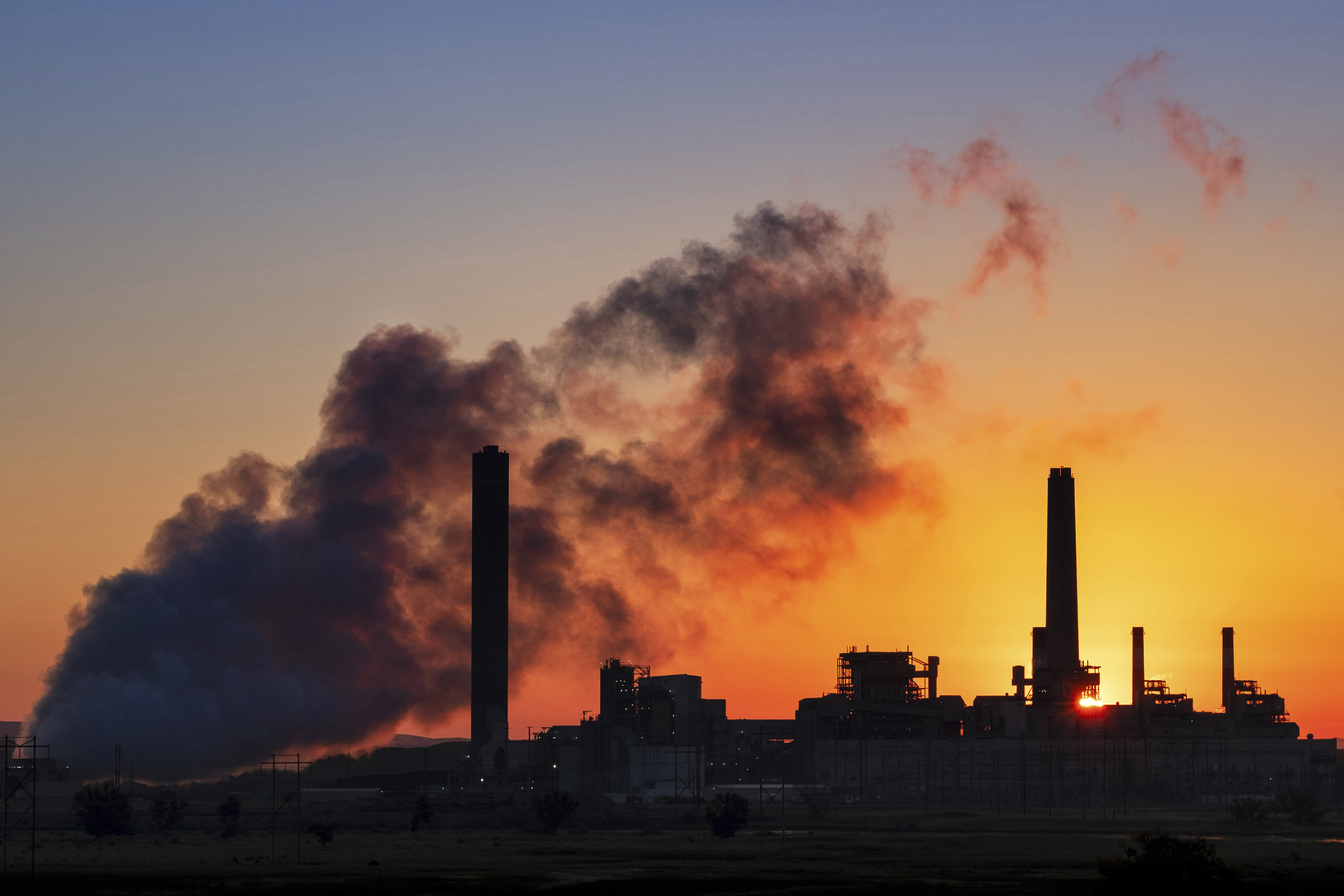
“A good thing that is coming out — and you’re seeing it already — is a pause on the premature closures of our existing fleet of coal-fired power plants,” Deti said.
Robert Godby, a professor of economics at the University of Wyoming, anticipates that Trump's policies will increase coal’s competitive edge against natural gas — but only in the short term.
A return to coal's heyday is unlikely for Wyoming, Godby said, pointing to "attrition in the market" and competition from "other cheaper sources of electricity".
In addition, US presidents are currently limited to two terms in office, so Trump can no longer seek re-election. Godby pointed out that whoever succeeds Trump may repeal his pro-coal policies, a consideration that likely weighs on industry executives' minds.
“Even if the Trump administration relaxes existing regulations, utilities think in timescales of decades. If you build a coal-fired power plant, you want that thing to be able to run for the next 50 years,” Godby said.
“Those long-term concerns around eventual greenhouse [gas] regulation — on top of the fact that to run a coal-fired power plant is just less competitive these days — has led to nobody building any new ones.”
But even with a dim long-term forecast, Rusty Bell, the CEO of Energy Capital Economic Development, is looking forward to a possible coal renaissance under Trump.
A lifelong resident of the Powder River Basin, he came of age during the region's coal boom.
In 1990, amendments to the Clean Air Act pushed companies to seek out low-sulfur coal that produced fewer emissions — and the Powder River Basin had an abundance. Seams of coal lay just below the topsoil in the rolling grasslands.
But since then, coal has been on the decline. Bell has seen Wyoming's coal output cut in half, from its 2008 peak of 466.3 million tonnes to around 239 million tonnes in 2021. That decline was accompanied by layoffs and mine closures.
Perhaps, he muses, a new coal boom under Trump could help his community broaden its horizons, giving it the jumpstart it needs to explore new paths for growth.
“Even if it's only four years, it gives us a little bit more time to work on diversifying our economy,” Bell said.