Japan resumes seafood exports to China after ban over Fukushima wastewater
Beijing imposed a two-year ban over the discharge of treated radioactive wastewater from the tsunami-hit Fukushima plant

Beijing imposed a two-year ban over the discharge of treated radioactive wastewater from the tsunami-hit Fukushima plant

![Japanese imports of seafood are seen in a supermarket in Hong Kong, China, on July 12, 2023 [Tyrone Siu/Reuters]](/wp-content/uploads/2025/05/2023-07-12T091047Z_1726854239_RC2L12ATNPEO_RTRMADP_3_JAPAN-FUKUSHIMA-HONGKONG-SEAFOOD-1748584824.jpg?resize=770%2C513&quality=80)

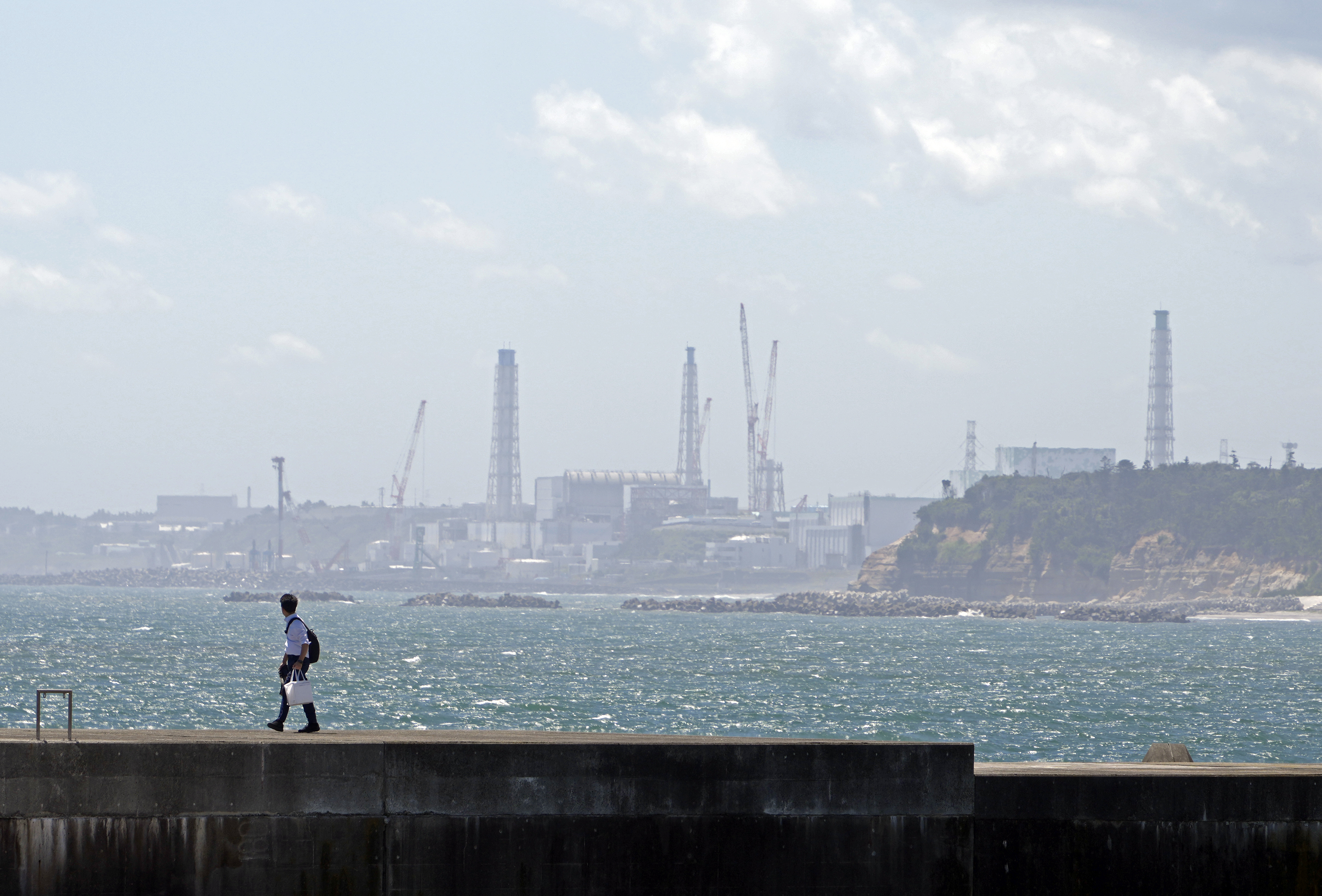


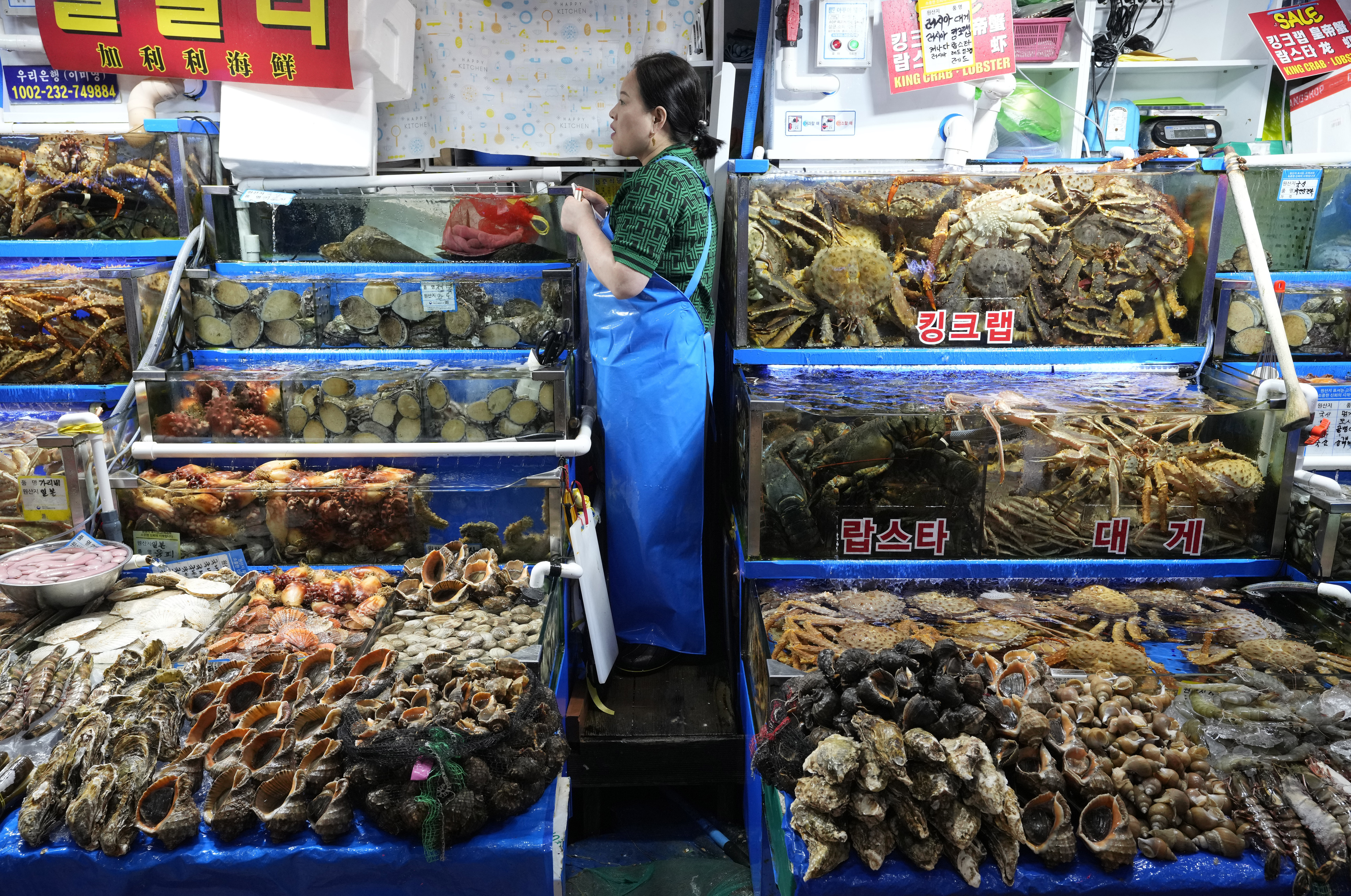

China bans all aquatic imports from Japan after plant operator begins pumping water into the Pacific Ocean.
Plan to release treated but still radioactive water into the Pacific has drawn criticism from neighbours and fishermen.
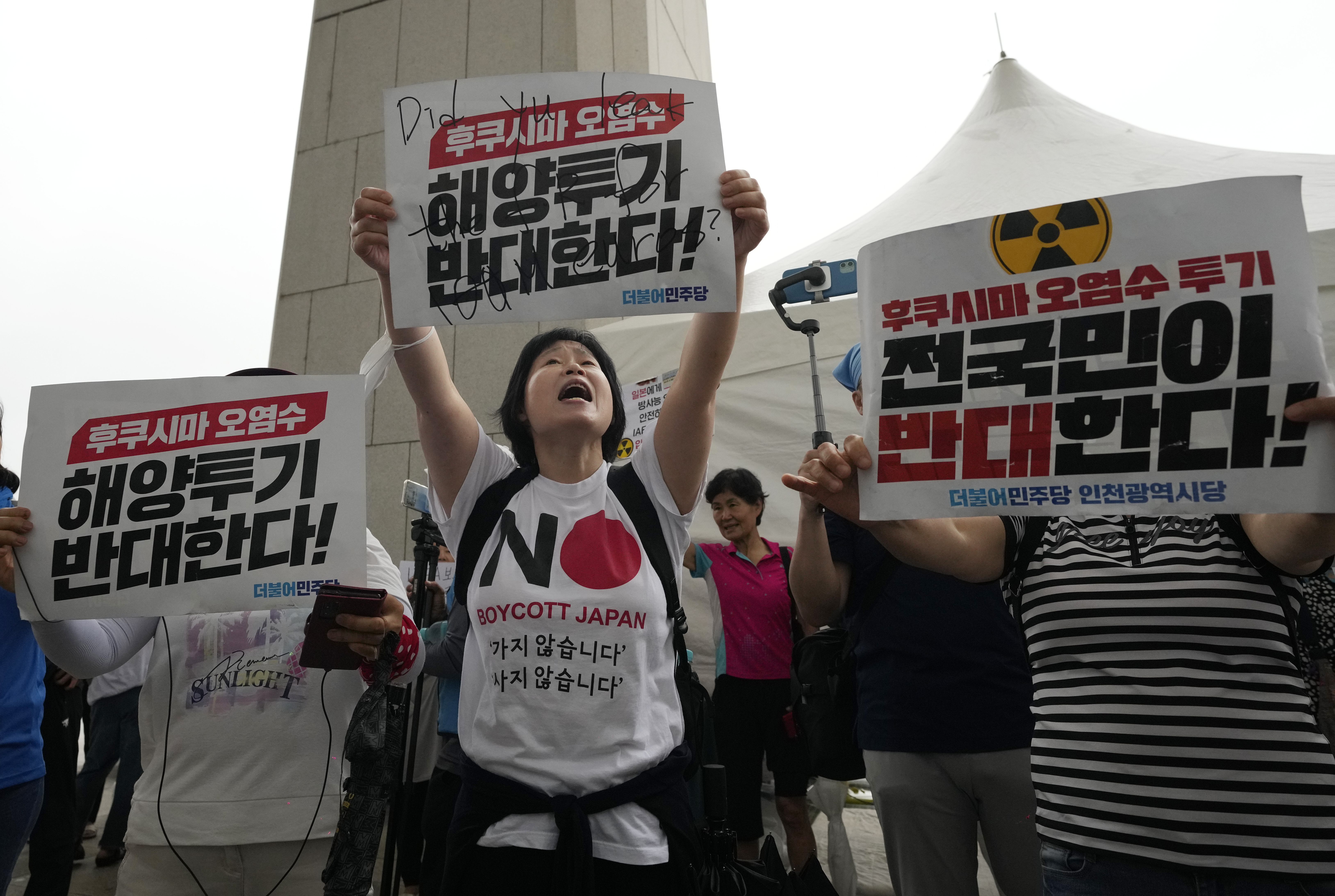
Activists are unhappy with Tokyo’s plan to release treated radioactive water from Fukushima nuclear plant into ocean.
Tokyo has embarked on a multi-million dollar campaign to convince people it’s safe to release radioactive water.
Seoul says proposal to release more than 1.3 million tonnes of radioactive water into the Pacific meets int’l standards.
The United Nations atomic watchdog is expected to give its approval to the plan, but controversy continues.
Japanese regulators begin final safety inspection before treated Fukushima wastewater is released into sea.
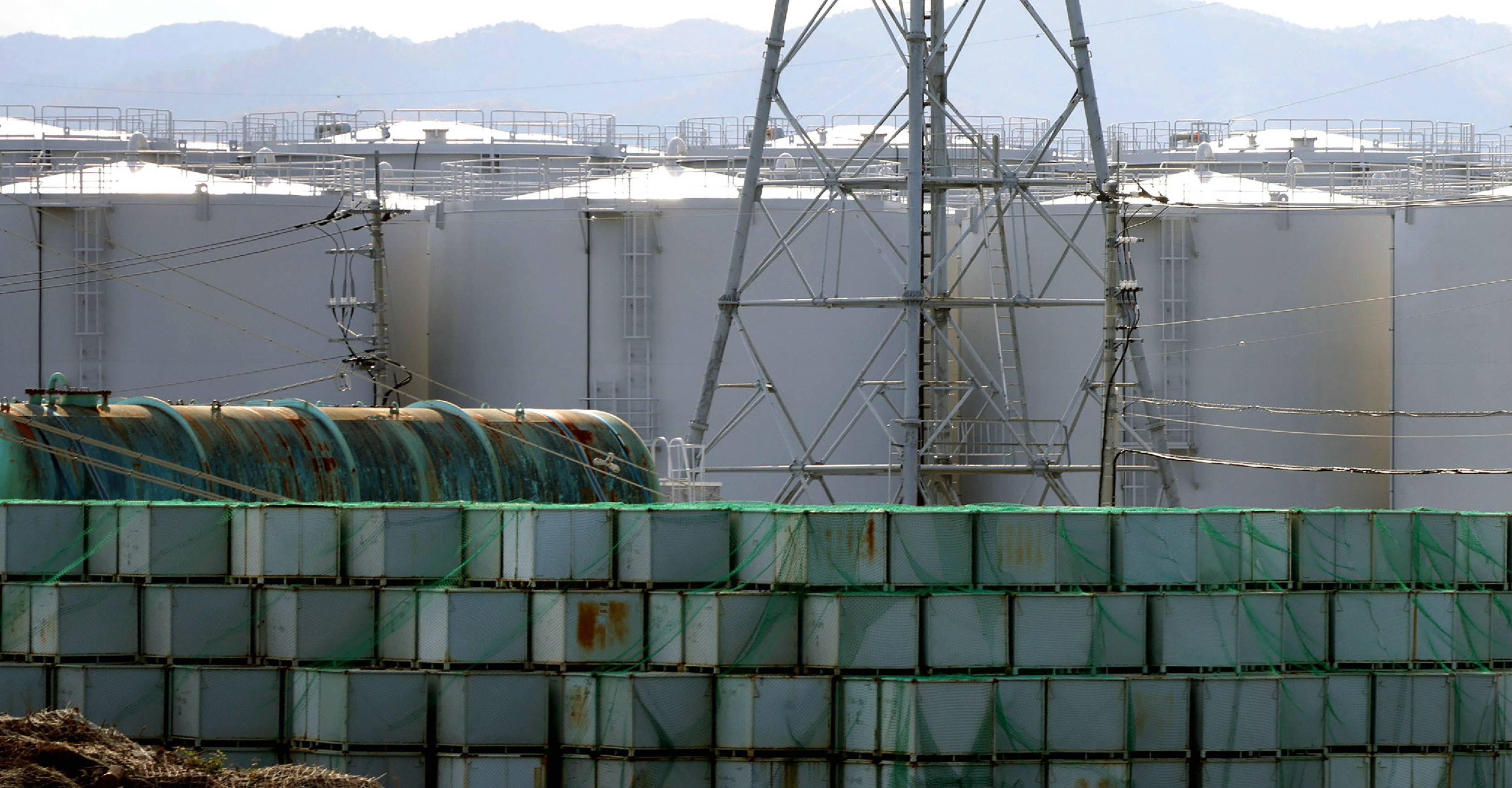
Plan will see some 1 million tonnes of water used to cool the ruined plant’s reactors released into the Pacific.
Fishing communities worry water will contaminate the seas despite promises it will be cleaned of radioactive substances.
Seoul exploring ways to refer Japan’s Fukushima decision to the International Tribunal for the Law of the Sea.




![People rally to protest against the Japanese government's decision to discharge contaminated radioactive wastewater from Fukushima Daiichi nuclear power plant into the sea, in front of the Fukushima prefectural government headquarters in Fukushima, April 13, 2021 [Kyodo via Reuters]](/wp-content/uploads/2021/04/2021-04-13T103146Z_114161144_RC2YUM9T36KI_RTRMADP_3_DISASTER-FUKUSHIMA-WATER-RELEASE.jpg?resize=770%2C513&quality=80)