As Hong Kong reckons with worst fire in decades, many see echoes of 2019
Unresolved anger and mistrust from the 2019 protests have hung over the response to the deadly Tai Po fire.
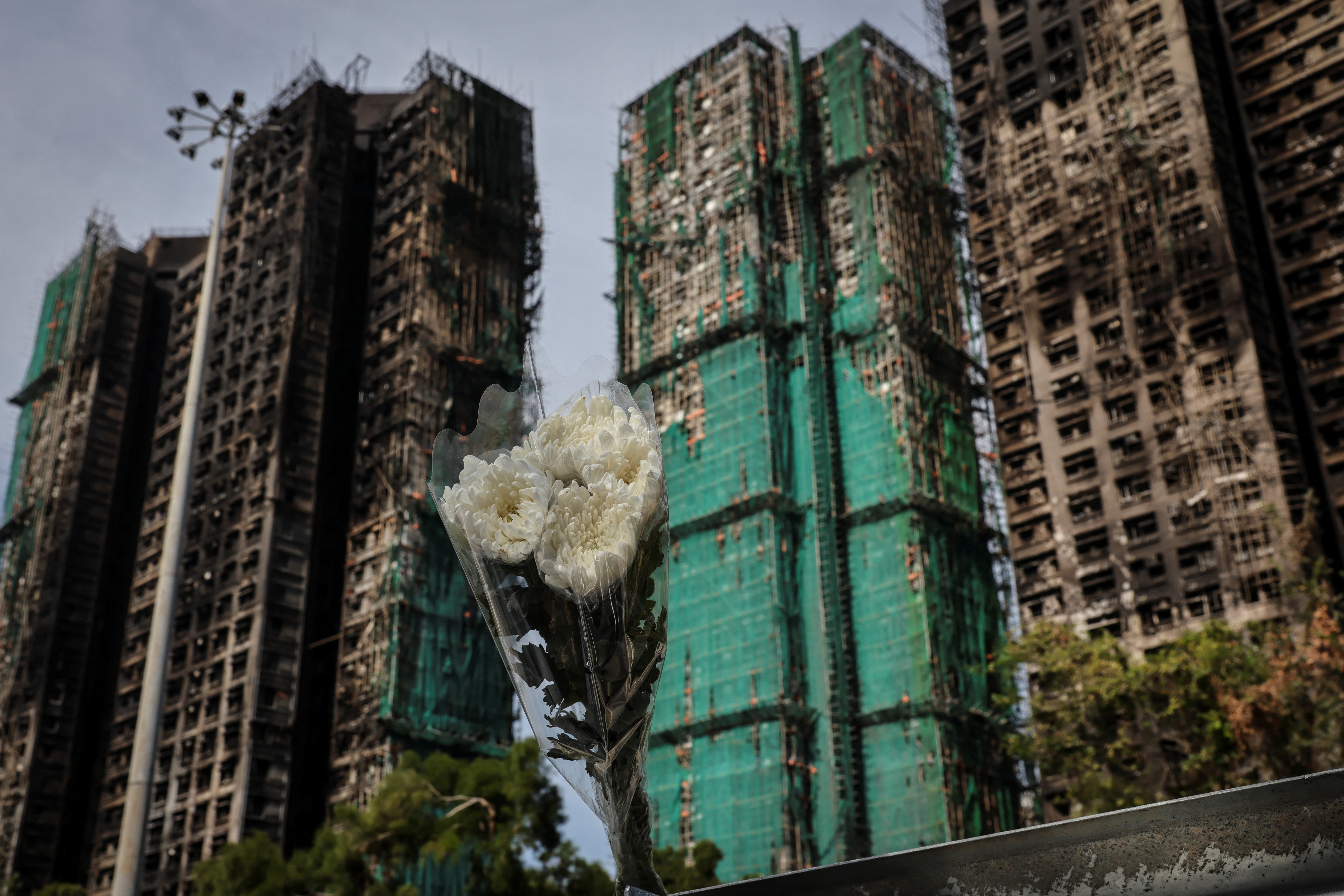
Unresolved anger and mistrust from the 2019 protests have hung over the response to the deadly Tai Po fire.
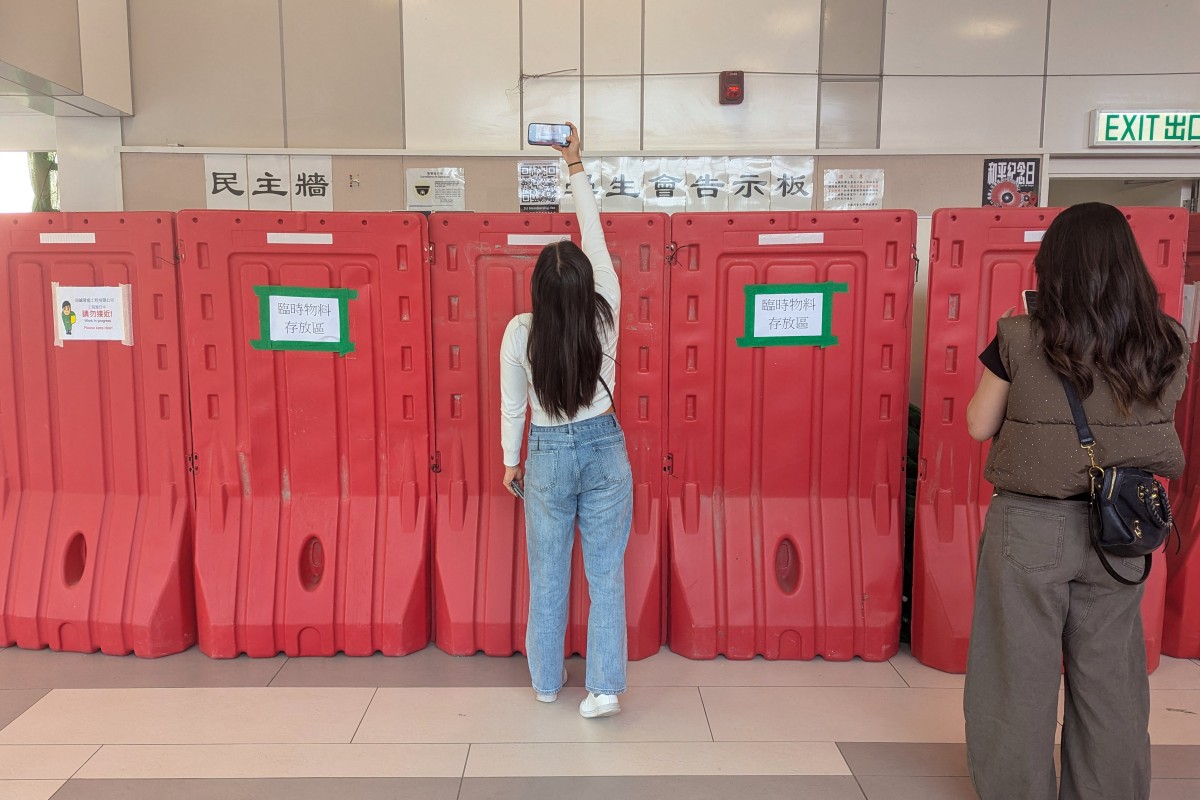
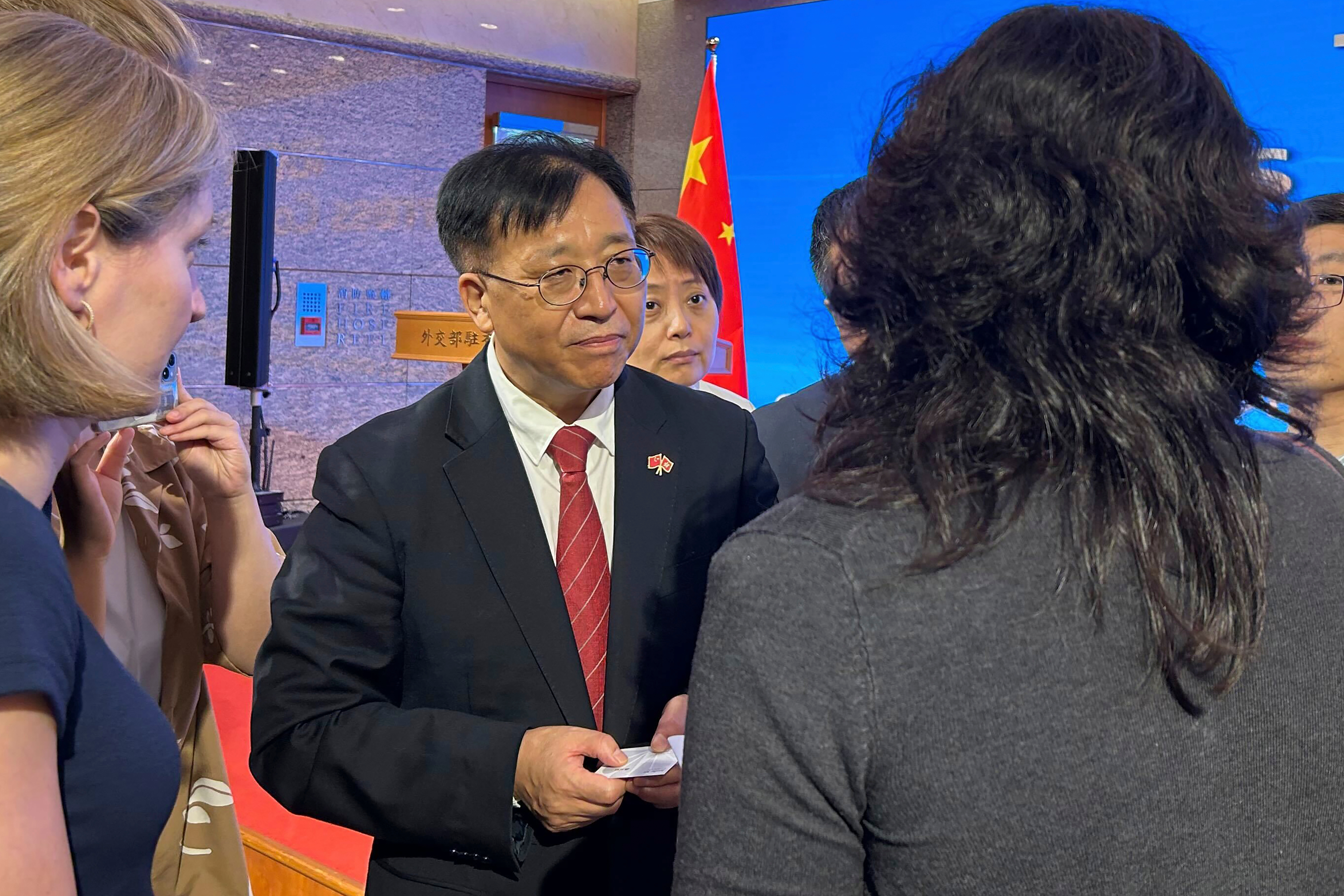

![Pro-independence demonstrator Tony Chung, left, marches during an annual New Year protest in Hong Kong on Jan. 1, 2019. [Kin Cheung/AP]](/wp-content/uploads/2025/08/image-1755543515.jpg?resize=770%2C513&quality=80)
![Media tycoon Jimmy Lai, founder of the now-shuttered Apple Daily, arrives at the Court of Final Appeal by prison van in Hong Kong in 2021 [File: Tyrone Siu/Reuters]](/wp-content/uploads/2025/08/2021-02-09T013732Z_366892669_RC2POL9CEEDD_RTRMADP_3_HONGKONG-SECURITY-JIMMY-LAI-1755221603.jpg?resize=770%2C513&quality=80)


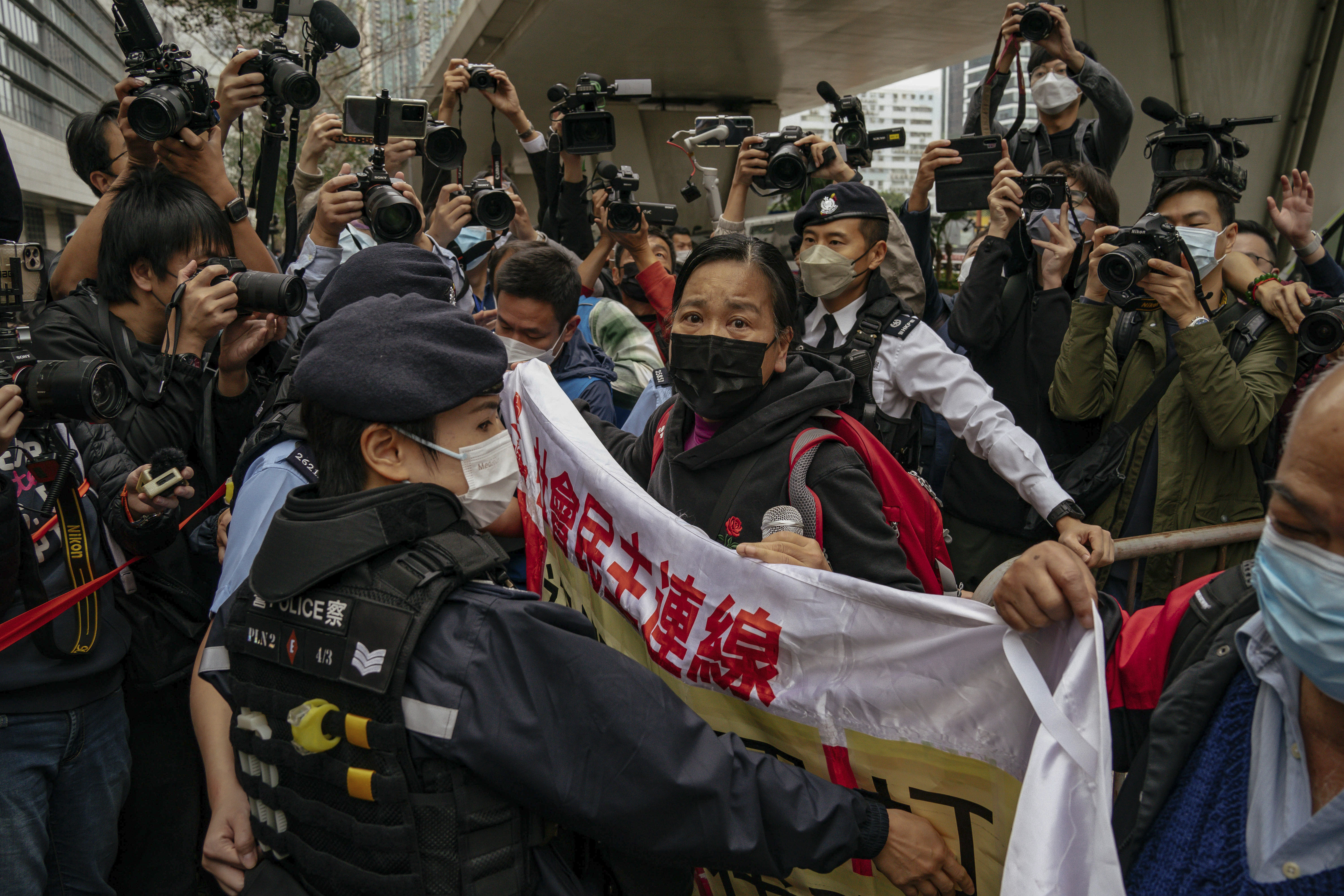
A different court previously cleared Jackie Chen of rioting after she said she attended protests to call for restraint.
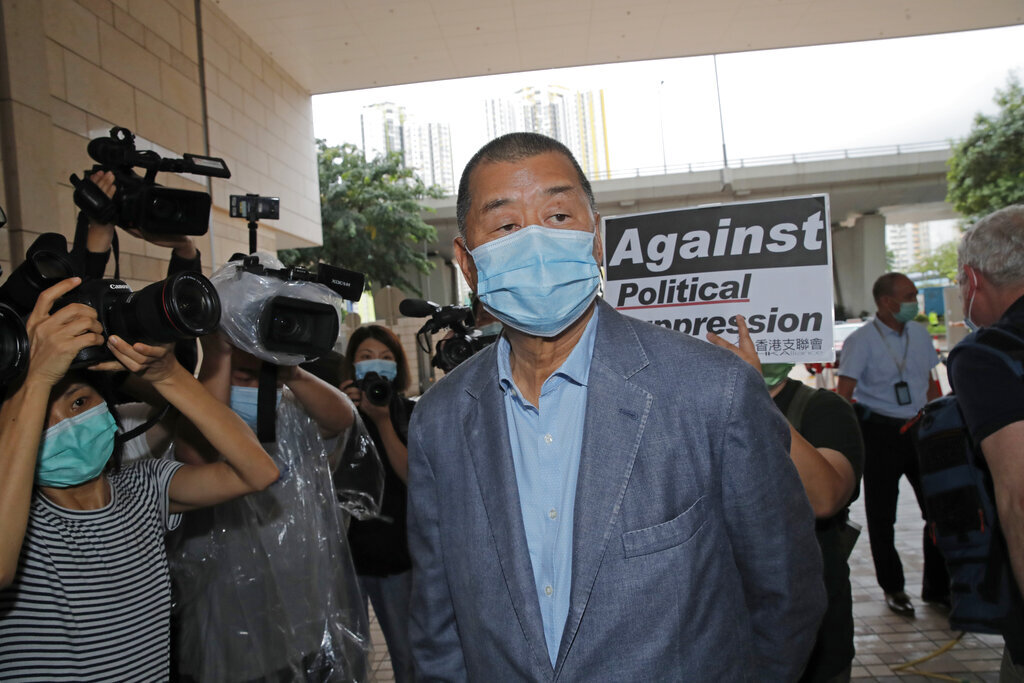
Jimmy Lai, founder of Hong Kong’s ‘Apple Daily,’ testified Wednesday in his national security trial

Hong Kong’s High Court has sentenced 45 pro-democracy activists to up to 10 years in prison.
The Hong Kong 47 were first arrested in 2021 for organising unofficial elections that authorities likened to a ‘coup’.
Legal scholar Benny Tai is sentenced to 10 years, while dozens of others receive years-long jail terms.
Chu Kai-pong faces a sentence of up to 10 years in jail after becoming the first convict under the strict new laws.
A bloodied shirt, a tent and a military medal are among exhibits marking China’s brutal suppression of 1989 protests.
Ruling also means the song can no longer be disseminated or reproduced on internet-based platforms.
A decade after the Umbrella Movement swept Hong Kong, the streets are silent. But activists say the battle isn’t over.
The law, known as Article 23, has been criticised internationally over fears it could erode civil liberties.
![Social worker Jackie Chen looks on outside the District Court in Hong Kong before she was convicted of rioting in relation to Hong Kong's 2019 pro-democracy protests. [Photo by Holmes Chan/AFP]](/wp-content/uploads/2025/03/000_36ZK7CH-1741693075.jpg?resize=770%2C513&quality=80)


